Small-Batch Guide
Short-Run Custom Packaging: How Small Brands Get Custom Boxes With a Logo
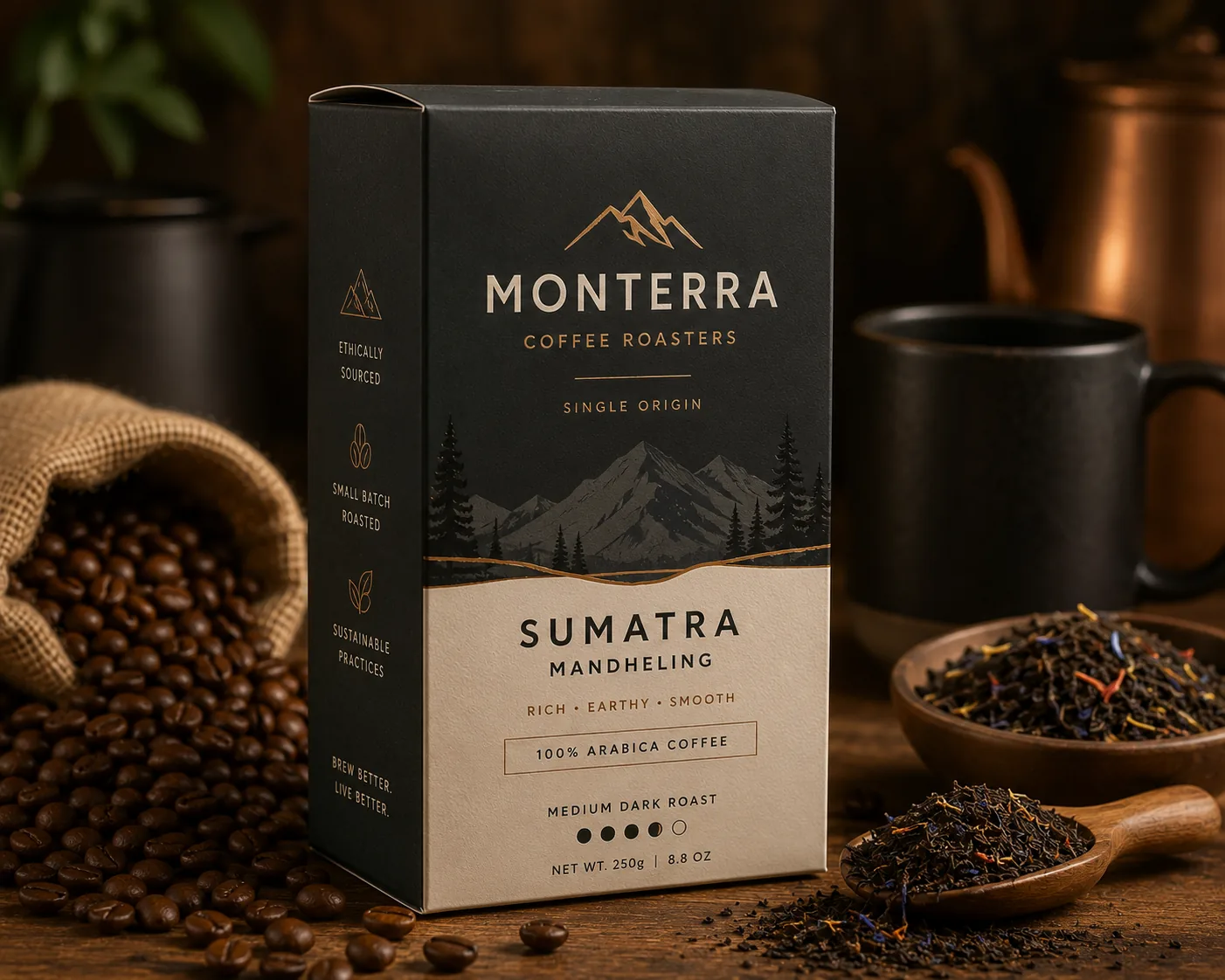
For years, custom packaging worked like a private club: unless you could commit to thousands of units, printers would not take your call. That locked out exactly the brands that need custom boxes most — new product lines, Etsy and Shopify sellers, and small businesses testing the market. Short-run custom packaging changes that.
What "Short Run" Actually Means
A short run is simply a small production batch — typically anywhere from 50 to a few hundred boxes — printed with your logo, brand colors, and custom dieline, just like a bulk order. The finished box is identical in quality to a 10,000-unit run; the only difference is the quantity and how the printer sets up the job.
Traditional offset printing needs custom plates, which makes small jobs expensive per unit. Modern digital and hybrid workflows skip or simplify that setup, so producing 100 boxes no longer carries the overhead of producing 10,000.
Why Low Minimums Matter for Small Brands
- Test before you invest. Launch a product with 100 boxes, learn what sells, then reorder — instead of gambling on a container-load of packaging for an unproven SKU.
- Stay current. Seasonal designs, limited editions, and collab drops only make sense when you can print small batches.
- Protect cash flow. Packaging is often a startup's largest upfront print cost. Small batches keep money free for inventory and marketing.
- Avoid waste. Rebrands happen. A garage full of obsolete boxes is money thrown away.
Which Box Styles Work Best in Small Batches
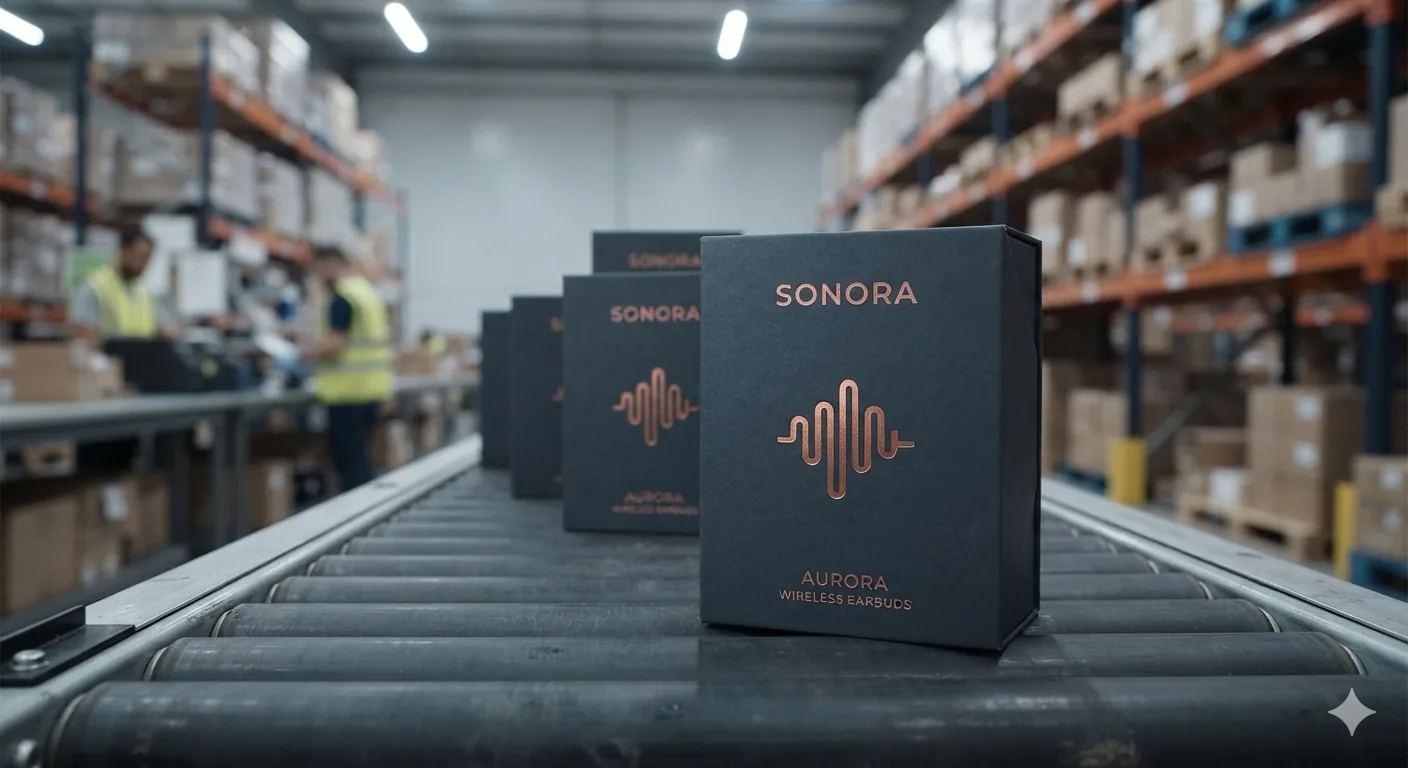
Not every structure is equally economical at low volume. These styles give small brands the most value:
- Straight tuck-end cartons — the workhorse of retail packaging. Simple dieline, fast to produce, excellent print surface.
- Corrugated mailers — ideal for e-commerce and subscription shipments; sturdy without inner packaging.
- Kraft boxes — naturally premium look with minimal ink coverage, which keeps short-run costs down.
- Display-ready boxes — a small batch of counter display boxes can put your product on retail counters without a big commitment.
How to Keep Unit Costs Down on Small Orders
- Stick to standard dieline sizes where possible — custom die-cutting is where small jobs get expensive (PaknPrint charges zero die-plate fees, which removes most of this penalty).
- Use fewer ink colors or rich single-color designs on kraft stock.
- Choose one finish that matters — a spot UV logo or foil accent reads premium without stacking costs.
- Ask for a digital 3D proof before printing. Fixing a design on screen is free; fixing it after printing is not.
Getting Started
The process at PaknPrint is built for first-time buyers: tell us your product dimensions and quantity, our designers prepare the dieline and a free digital proof, you approve it, and production completes in 7–10 working days with free shipping across the US. Free design assistance and color correction are included, so you do not need packaging experience to get a professional result.
If you have been putting off custom packaging because of minimums, you no longer have to. Start small, look established, and scale when your sales do.